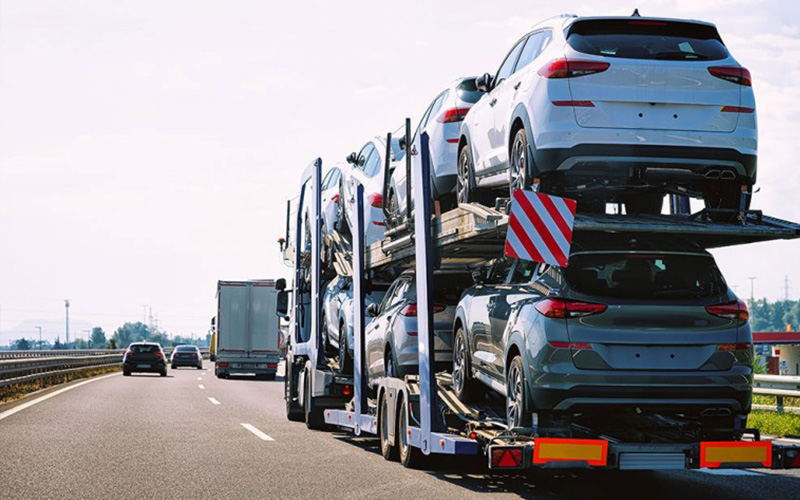
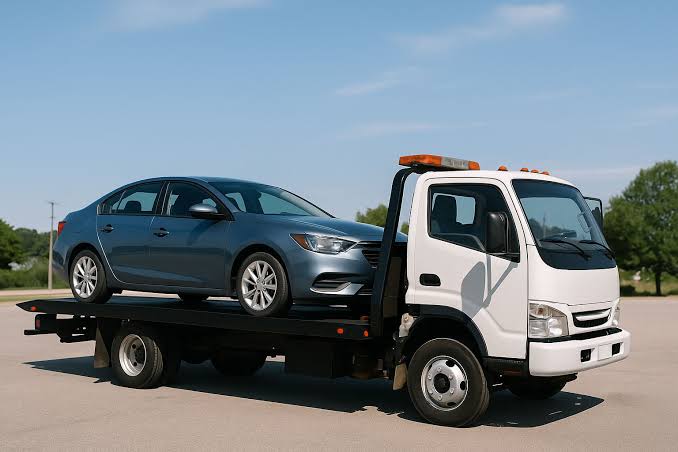
Millions of Canadians live in condos and apartment buildings, and most of them park in underground garages, shared lots, or on the street. That setup works well for daily life, but it raises a question the moment a car needs to be shipped: how does a large truck reach your vehicle? A car carrier is a long, heavy rig, and it does not fit into most parkades or squeeze through narrow downtown streets.
This guide explains how pickup and delivery work for people in condos and apartments, what to check with your building, and how to plan a handoff that avoids fines and delays.
Why Buildings Make Shipping Harder
A typical car hauler is around twenty metres long and several metres tall once loaded. Underground parkades have low ceilings, tight ramps, and narrow turns, so carriers cannot enter them. Loading zones are often short and shared with delivery vans, taxis, and moving trucks, and many streets have rules that restrict trucks of this size.
Read More: How JDM engines get from a Japanese scrapyard to an American garage
In dense neighbourhoods, a carrier may have nowhere legal to stop at all. Parking rules, bike lanes, and one-way systems make the situation even trickier. None of this prevents shipping, but it does mean that your pickup address and the actual handoff spot may not be the same place.
Door-to-Door Does Not Always Mean Your Door
Door-to-door service delivers to your address or as close as a large truck can safely get. In a house with a wide driveway, that may be the front door. In a downtown condo, it may be a street a block away, a wide road nearby, or a parking lot at a shopping centre.
Knowing this in advance prevents surprises. Tell the shipper you live in a building with limited access, share the address, and ask what they recommend. A good driver will work with you to find a safe, legal spot that is easy to reach.
Check With Your Property Manager
Before you book, talk to your property manager or condo board. Ask whether trucks are allowed on the property, whether there is a loading zone you can reserve, and whether any permits or notices are needed. Some buildings require advance booking for moving trucks, and a few restrict large vehicles entirely.
Read More: What to Know When Searching for McNeilus garbage trucks for sale
If the building has a visitor lot or a wide driveway, ask whether the driver can use it for a short time. Get any permission in writing, even if it is an email, so the driver is not turned away at the gate. Share the building contact with the shipper so they can reach someone if there is a problem.
Moving the Car Out of the Parkade
Since the carrier cannot enter an underground garage, the car usually has to be brought out before pickup. Plan to drive it to the agreed meeting spot yourself, or have a friend or family member do it. Arrive a little early so the car is waiting and the driver does not have to circle the block.
If you cannot drive the car, because it does not run or you are not in town, tell the shipper right away. Other options exist, but they take planning. A non-running car in a parkade is a particular challenge, and it may require extra equipment or a different location.
Choosing a Good Meeting Spot
The best handoff location is wide, flat, and legal to stop in for fifteen to thirty minutes. Look for a main road with a clear curb, a quiet industrial street, or a large parking lot with permission to stop. Avoid hills, narrow side streets, school zones during drop-off times, and areas with heavy foot traffic.
Visit the spot in advance if you can, at the same time of day as the pickup. Check for signs, bike lanes, and parked cars. Share the exact address or a map pin with the driver, and have a backup in case the first choice is blocked.
City Examples
Large cities show the problem clearly. In Toronto, downtown condo towers often have tight loading bays and strict rules, so a handoff on a nearby wider street is common. Toronto car shipping from a condo usually works best with an agreed meeting spot and a person ready to hand over the keys.
Vancouver adds steep hills and narrow downtown blocks, so drivers often meet owners in an industrial area or on a wide arterial road. Vancouver car shipping from a high-rise tends to follow the same pattern. In smaller cities, suburbs and newer neighbourhoods are usually easier, with wider streets and visitor parking.
Timing the Pickup
Time of day matters in busy buildings. Mornings and evenings often bring heavy traffic, garbage collection, and deliveries. Midday is usually quieter, though some neighbourhoods are busy at lunch. Ask the shipper for a time window that suits both the driver and the building, and be ready when they arrive.
Trucks run on tight schedules, so a late handoff can ripple through the whole load. Keep your phone on, respond to the driver’s calls, and be flexible if the time shifts by an hour or two.
Preparing the Car
Preparation is the same as for any shipment, with a few extras for apartment dwellers. Wash the car, photograph every side, and remove personal items.
- Remove valuables, parking passes, and building fobs from the interior.
- Keep the fuel level at about a quarter tank.
- Check the battery, since cars in parkades can sit unused for long periods.
- Take photos in good light, since garages are often dim.
- Note any existing damage on the condition report at pickup.
Garage lighting can hide dents and scratches. If you can, move the car outside for the photos and the condition report, where marks are easier to see.
Delivery at a New Building
The same challenges apply at the destination. If you are moving to a new condo or apartment, contact the building before the car arrives, and ask about loading zones, visitor parking, and any rules for trucks. Share the plan with the shipper and arrange for someone to meet the driver. Edmonton to Calgary car shipping, for example, takes about four business days, so you have time to sort out building access before the car lands.
If you will arrive after the car, ask a trusted person to receive it. They need to inspect the car, compare it with the pickup report, and sign the paperwork.
Making Building Access Simple
Living in a condo does not stand in the way of shipping a car. Tell the shipper about your building, talk to your property manager, choose a good meeting spot, and bring the car outside before the driver arrives. With a bit of planning, the handoff is quick, legal, and stress free.
Frequently Asked Questions
Can a car hauler enter my building’s parkade?
Almost never. Underground garages have low ceilings and tight ramps, so the car is usually brought outside to a meeting spot before pickup.
What if my street does not allow trucks?
The driver will suggest a nearby wide road or parking lot. Tell the shipper about the restriction when you book so a legal handoff spot can be planned.
Do I need permission from my building?
It is wise to check. Some buildings require booking for trucks or restrict large vehicles, so ask your property manager and keep any approval in writing.
Can someone else bring my car to the meeting spot?
Yes. A friend or family member can drive the car and hand it over, as long as they have the paperwork and know what to look for on the condition report.
What time of day is best for pickup in a busy building?
Midday is often quieter than rush hours, but it depends on the neighbourhood. Ask the shipper for a window that suits both the driver and your building.